0000ZUTC

The Future of Flight Training

One hundred years of stick and rudder know-how, delivered by the latest sim and AI. A one-day workshop at your school, in your airplanes, with your instructors.

Book a one-day workshop →

Proven skills. Frontier tools.

What we teach

Stick and rudder. Coordination, energy, stalled flight. The skills pilots have relied on since 1903, written down by Master CFI Rich Stowell in the Learn-Do-Fly Training Standard.

How we teach it

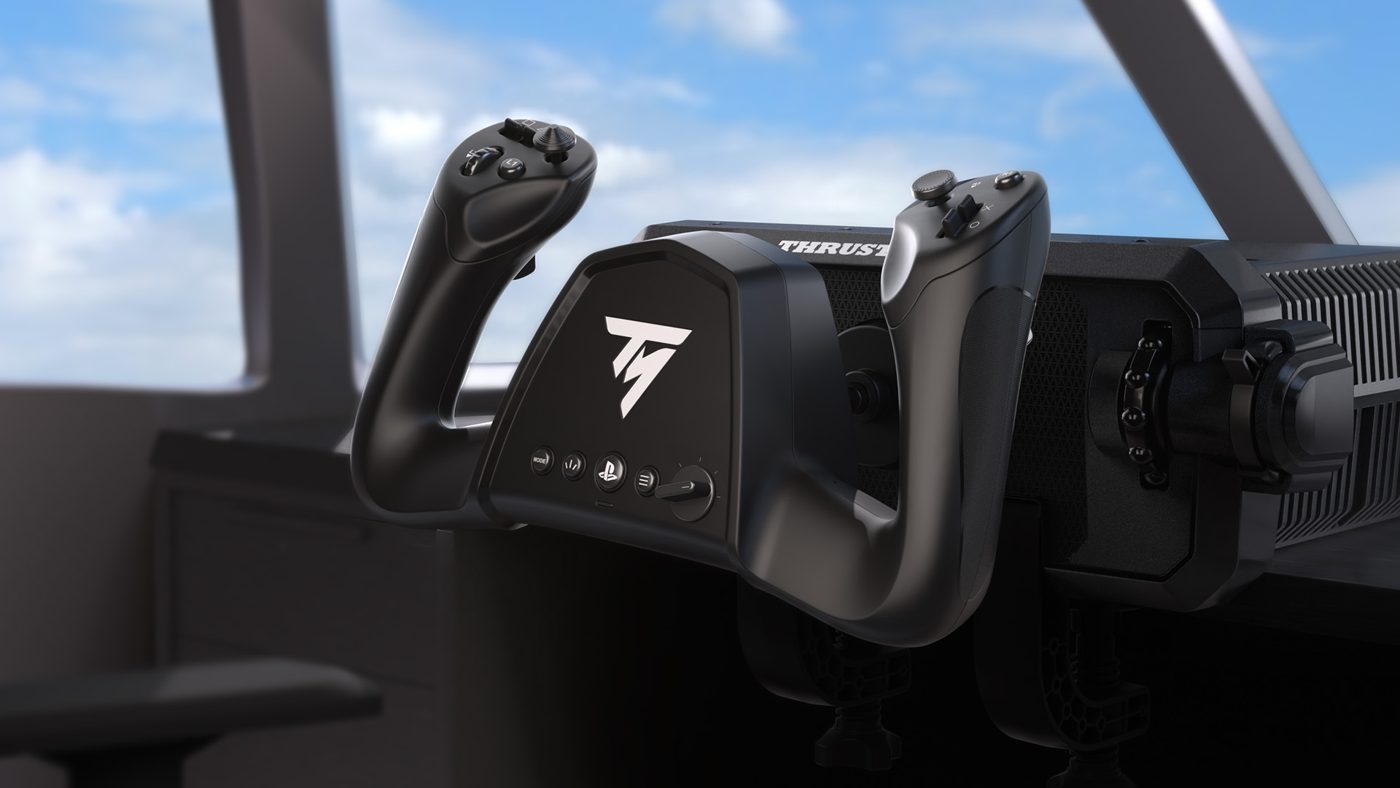
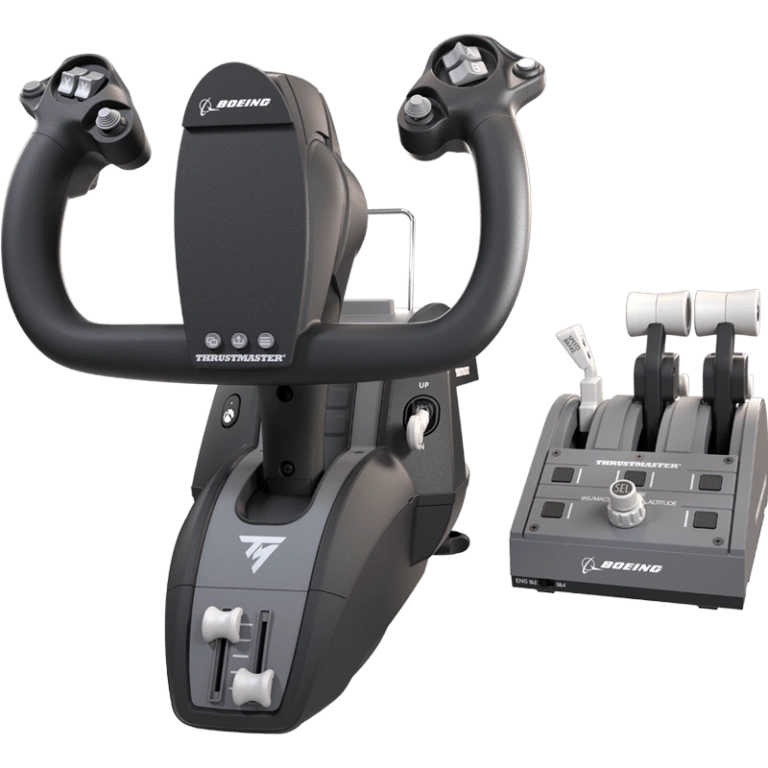
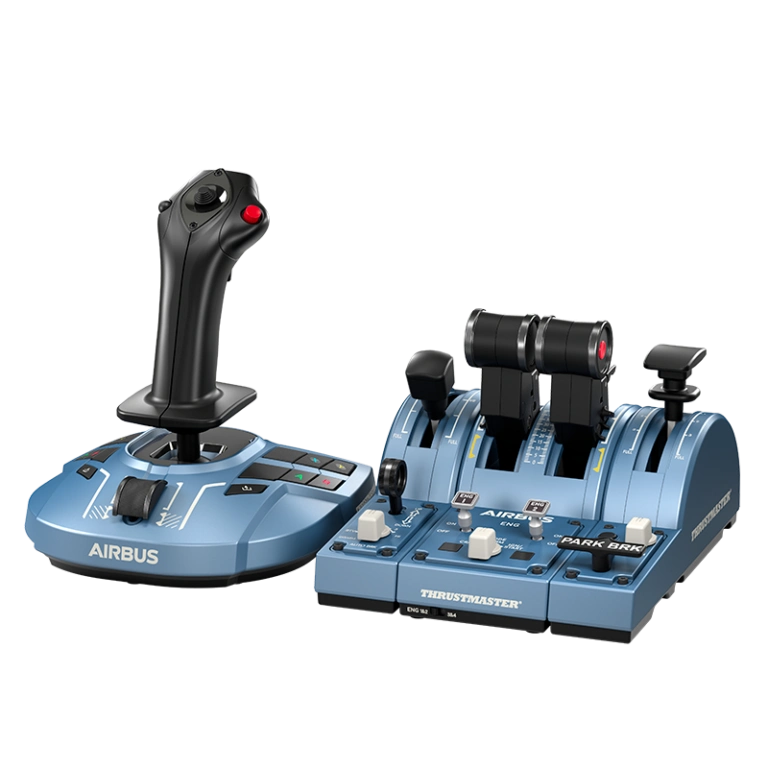
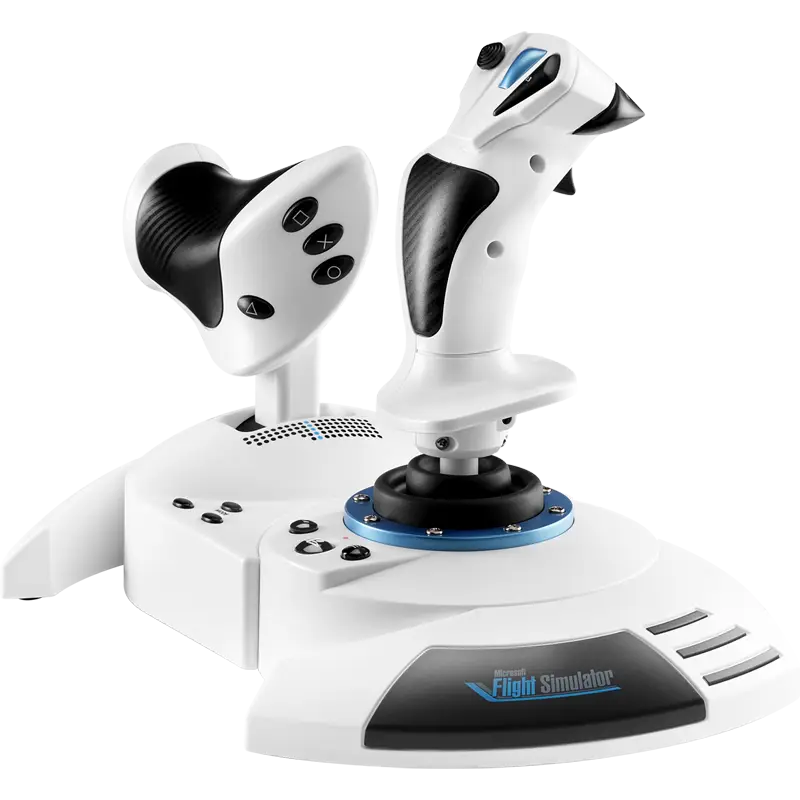
Simulation and AI built for flight training. Lesson plans built for your school, sim sessions that score each attempt, debriefs built from real flight data, and progress tracking for every student.

The lesson

Spin
Recovery

One dayGround, sim and flightStudent pilots and up

Most spins start low, slow and close to the ground. This is the day your students learn to see one coming, stop it early and, if it happens, get out by the numbers.

Book a one-day workshop

1

Learn

Why spins happen and where they kill. Briefed together.

2

Do

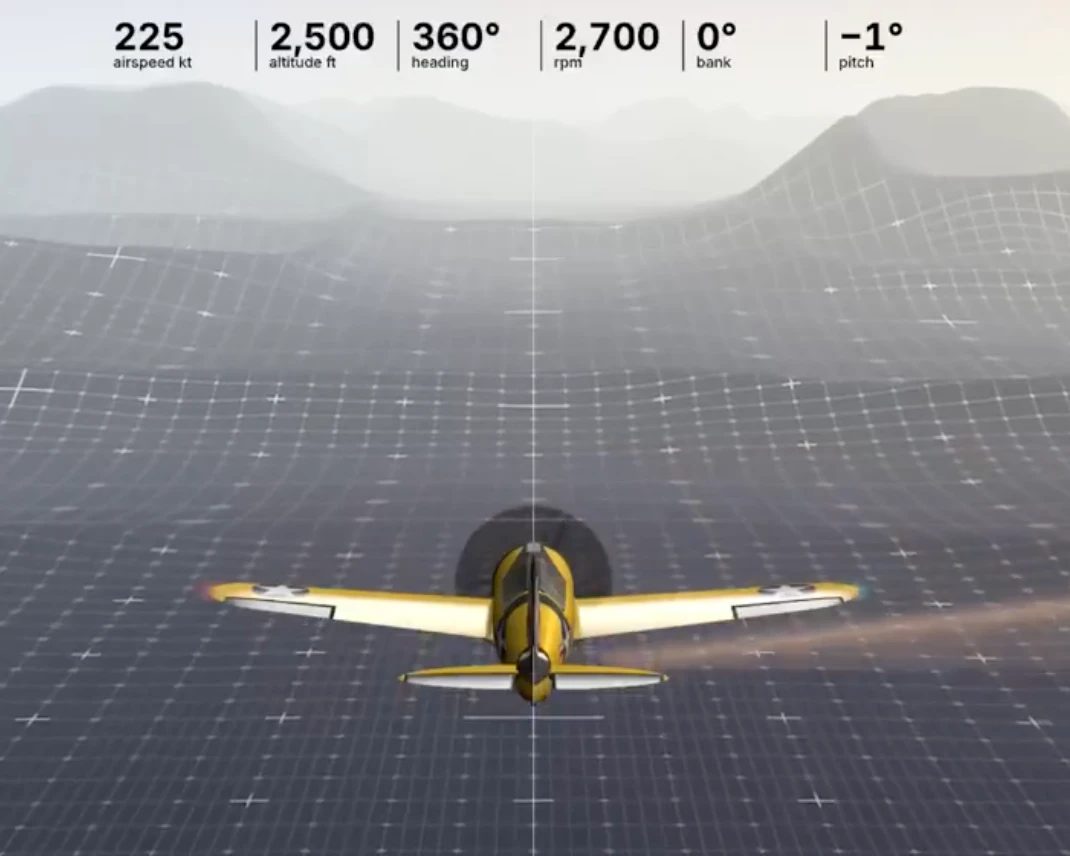
Spin after spin in the sim, until the recovery is automatic.

3

Fly

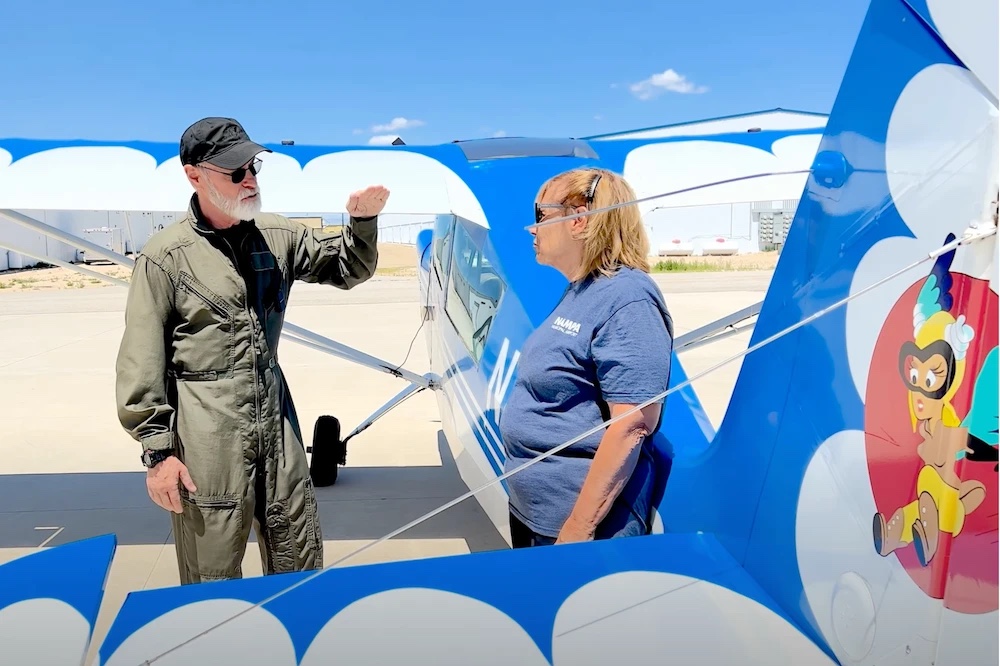
Into the airplane with your instructor. Feel it for real.

Four moves. Built on Rich Stowell's PARE®.

  1. PPower off
  2. AAilerons neutral
  3. RRudder opposite
  4. EElevator forward

Spins are flown only in spin-approved airplanes with a qualified instructor. Otherwise, Fly covers stall and spin awareness short of a spin.

Brief. Sim. Fly.

Every workshop follows the Learn-Do-Fly Training Standard. The lesson stays the same. Only the number of students, instructors and flights changes. We choose the lesson with your school.

  1. LearnStudents and instructors are briefed together in Community Aviation, so everyone gets the same lesson and knows what good looks like.
  2. DoStudents rehearse in your sim, plus guided visualization, until control inputs are automatic and attention is free for decisions.
  3. FlyStudent and instructor fly the lesson in your airplane. The flight is recorded and debriefed.

No demo. Real work.

The tools your staff, instructors and students use during the workshop, and keep using after it.

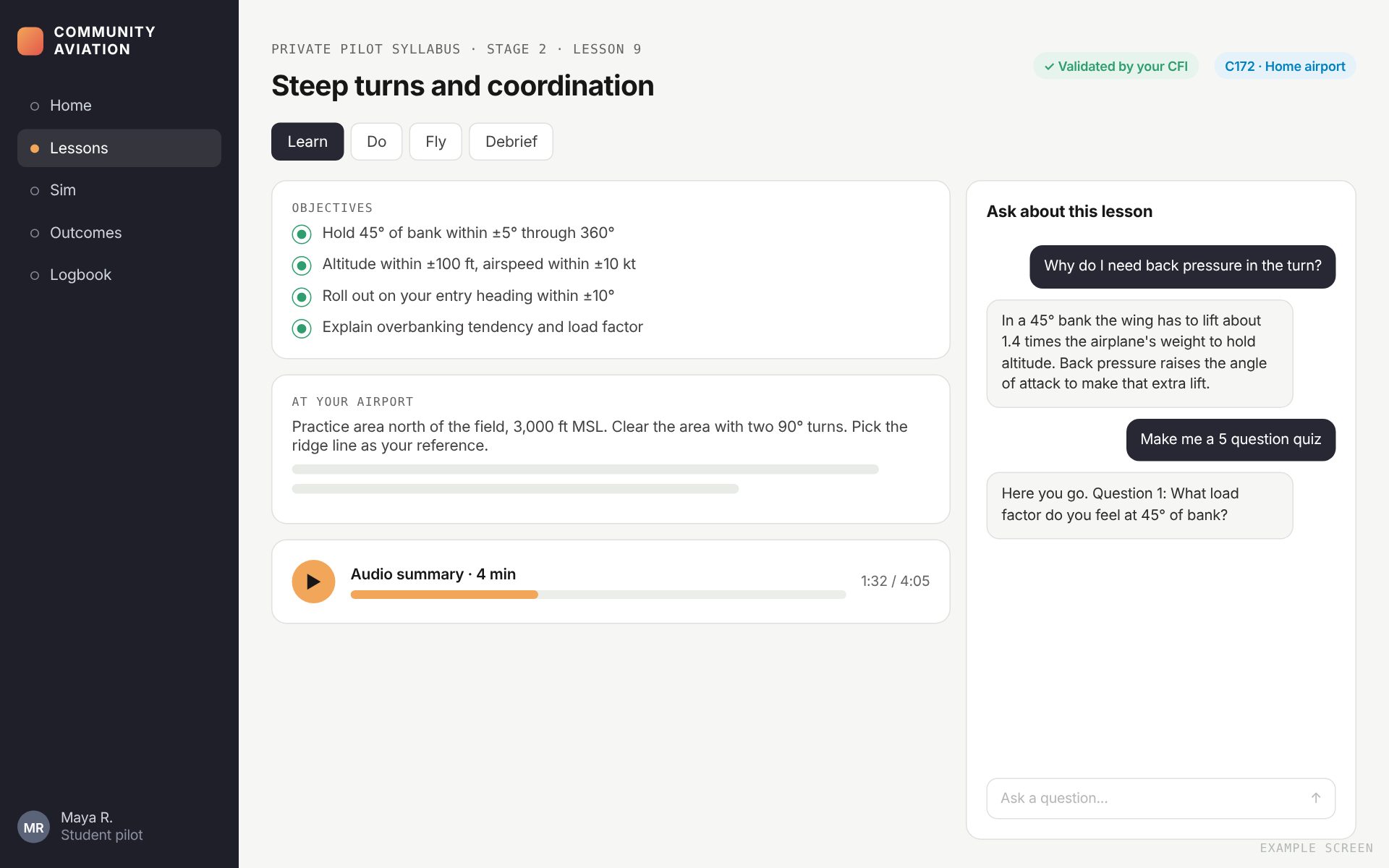
Enhanced lesson plans

Comprehensive, instructor-validated lesson plans built for your school and airport, and connected to your syllabus. Students can ask questions, create audio summaries and learn the content at their own pace, in the way that works for them.

Example screen: an enhanced lesson plan with objectives, local airport notes, an audio summary and a question chat

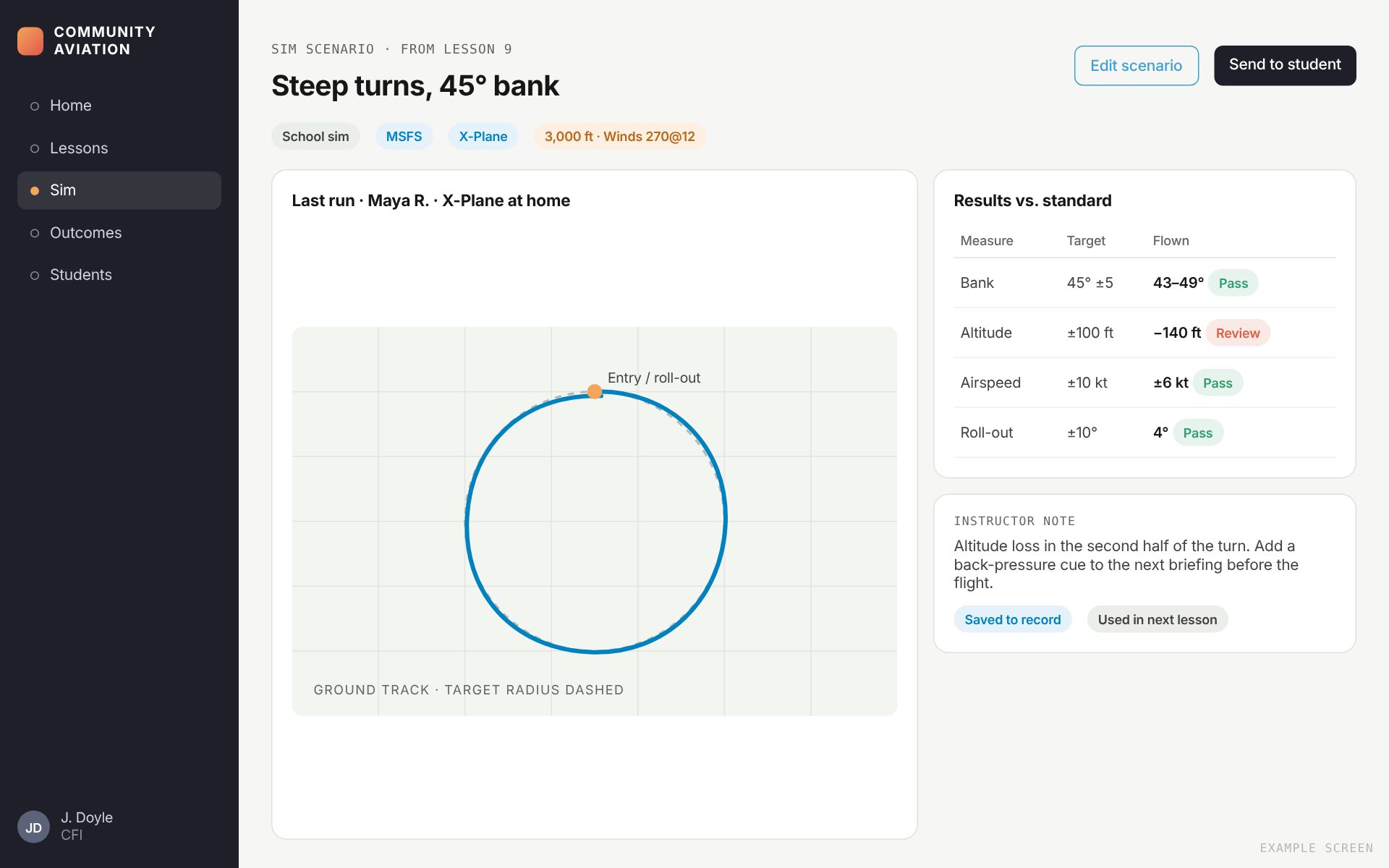
Deep sim integrations

Every lesson can become a sim scenario, flown on your school's sim or at home in MSFS or X-Plane. Results and training data flow back into the system, where instructors analyze them and use them to design the next lesson.

Example screen: a sim scenario with ground track and results scored against the standard

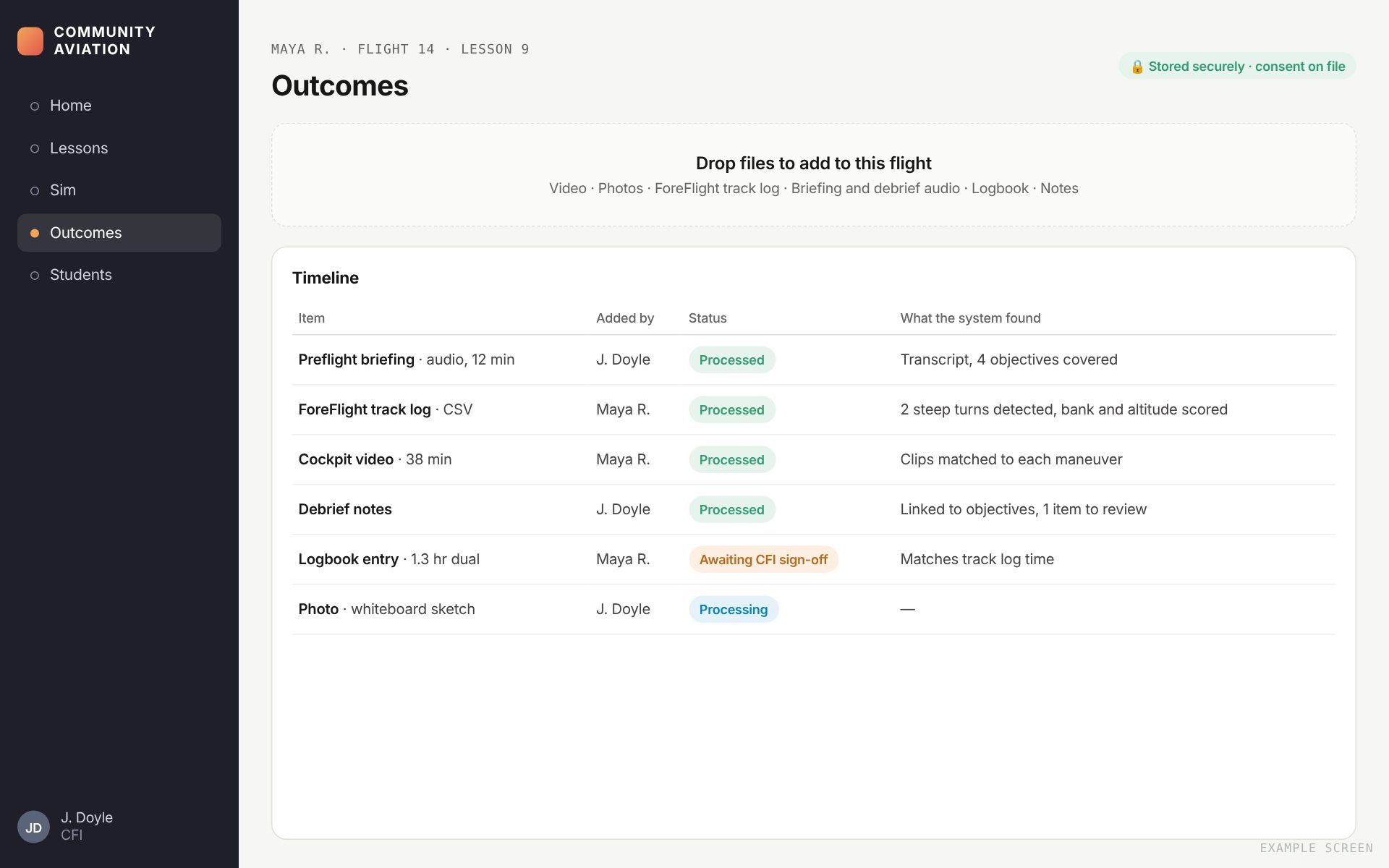
Outcome tracking

Instructors, staff and students upload videos, photos, flight telemetry, preflight briefings and debriefs, logbooks and notes. The system processes everything automatically and stores it safely and compliantly, ready for instructor and student analysis.

Example screen: uploaded flight outcomes, each processed and linked to the lesson

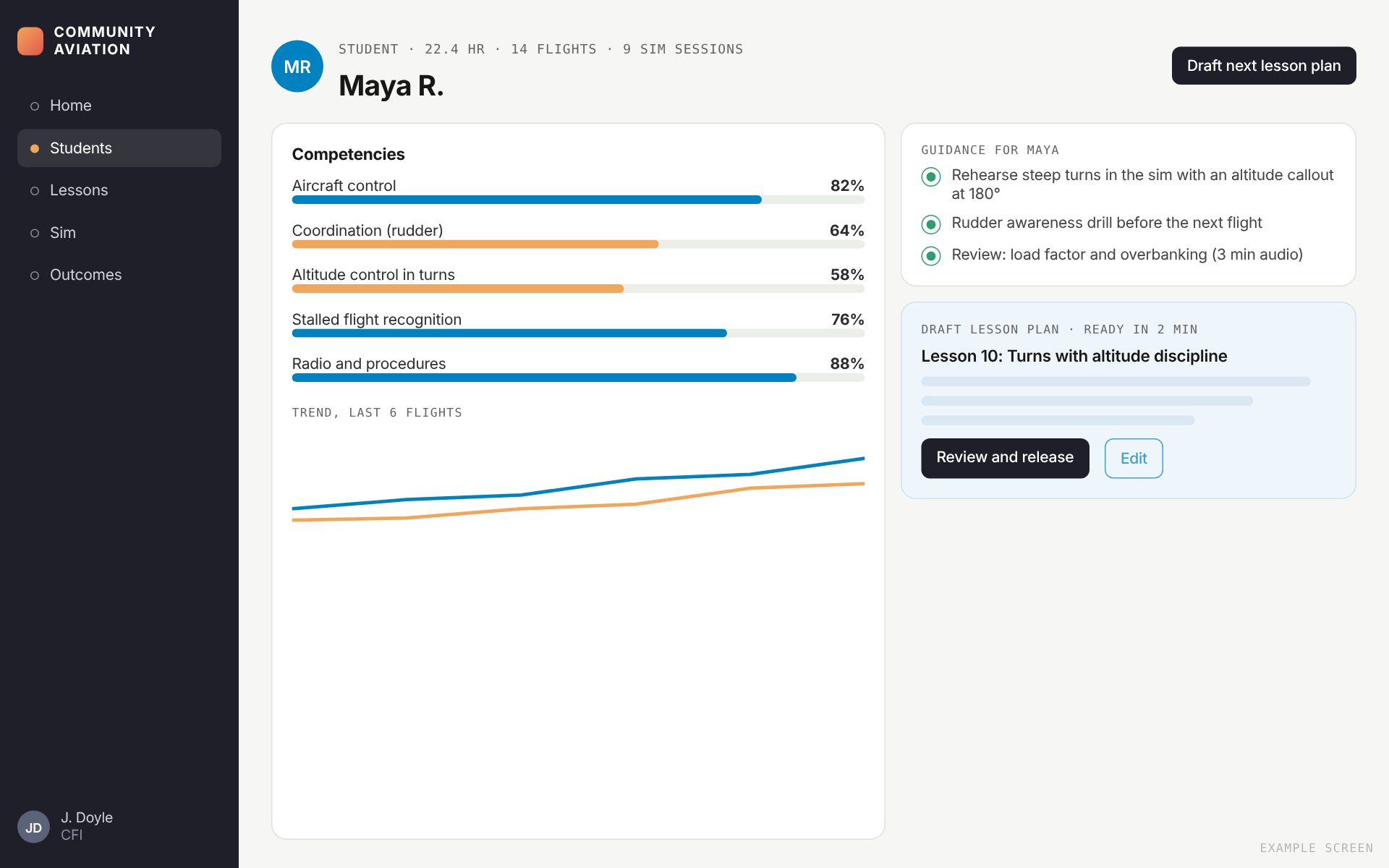
Personalized training

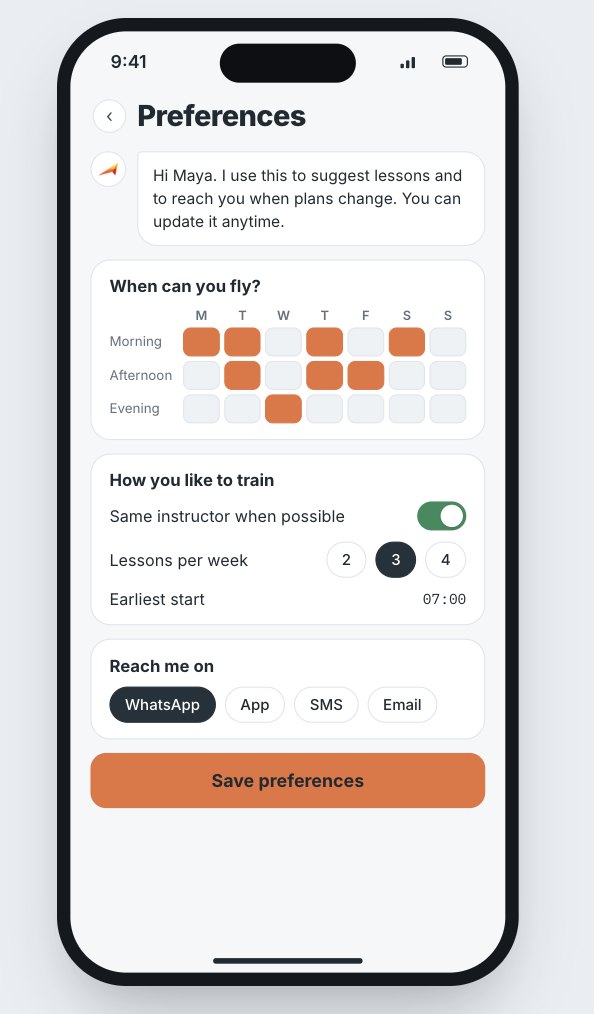
As outcome data from flights and sim sessions compounds, students get better guidance from the system, and instructors design better lesson plans in minutes.

Example screen: a student's competencies, guidance and a drafted next lesson plan

Comprehensive analysis

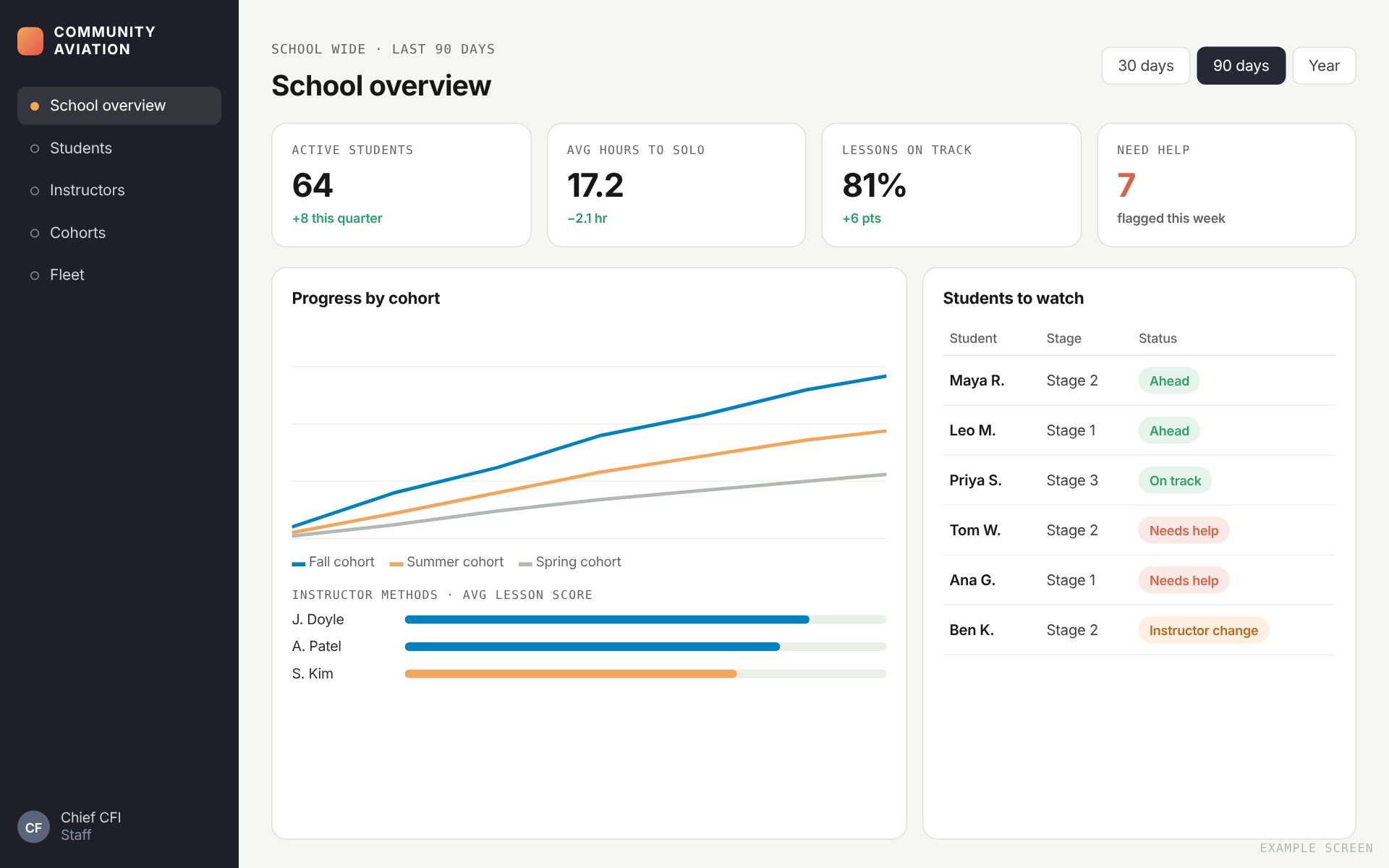
School staff and chief flight instructors get full visibility into student outcomes, progress and competencies. Compare progress across cohorts or school wide, see who is ahead and who needs help, make resource decisions and understand the methods each instructor uses.

Example screen: a school overview with cohort progress, instructor comparison and students to watch

What you keep.

Trained students

Understanding, rehearsal and a flown lesson, with stronger stick and rudder skills to show for it.

Calibrated instructors

One lesson and one vocabulary, compared across pairs, so your team teaches it the same way.

Results, debriefed

A results debrief at the end of the day, then a follow-up summary of flights, debriefs and records.

Video for your marketing

We film the day. You get footage to use on your website and social channels.

You bring the airplanes. We bring the workshop.

You provide

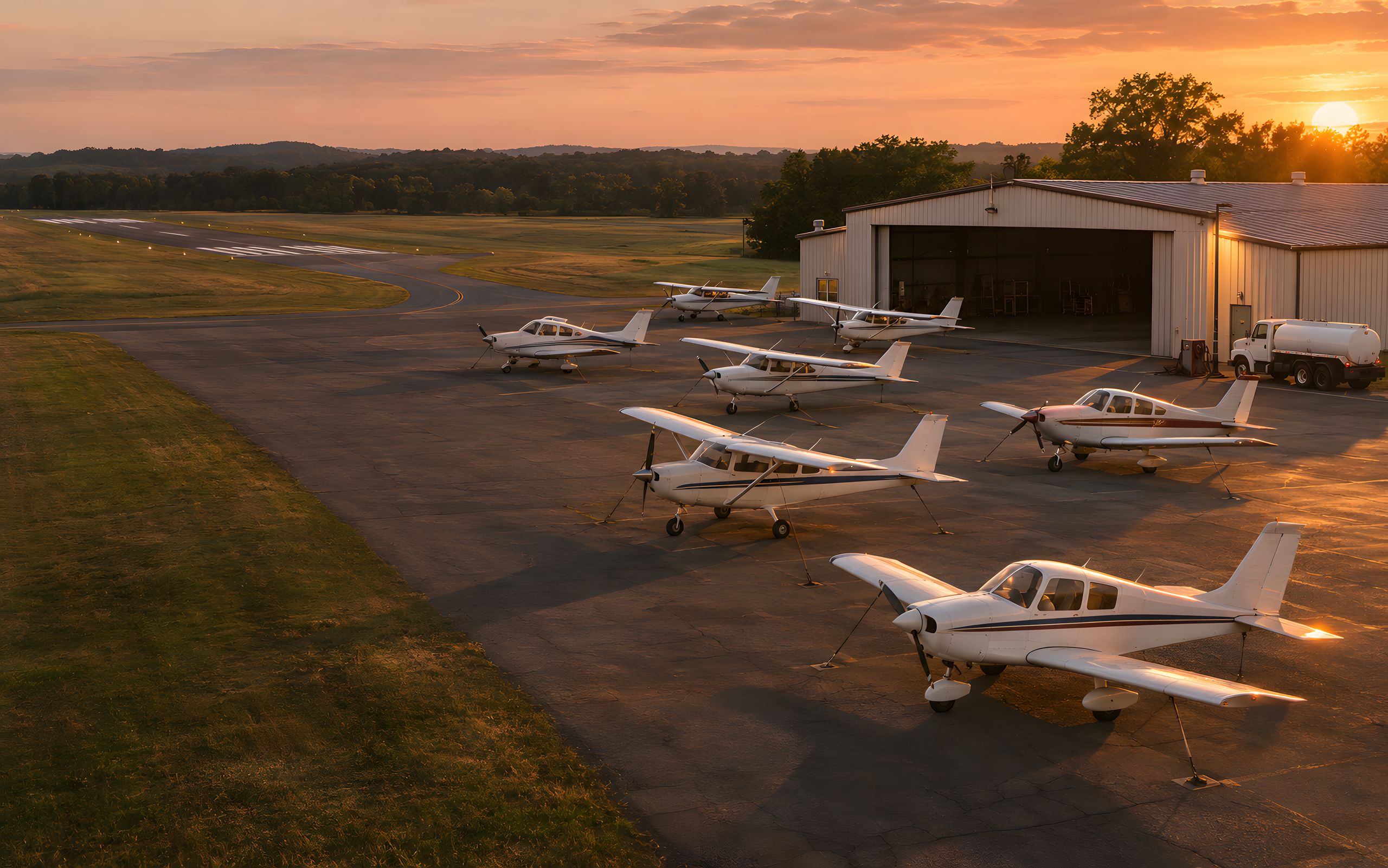
  • Aircraft. The training airplanes your students already fly.
  • Instructors. Your CFIs fly with your students, under your procedures.
  • Students. From one up to a small group. Observers are welcome.
  • A room. Somewhere to brief and debrief, plus your sim if you have one.

We bring

  • The lesson and the briefing. Built on the Learn-Do-Fly Training Standard.
  • The platform. Community Aviation, set up for your students and instructors.
  • Data capture. Briefing, flight track and debrief recorded.
  • Filming. We film the day, with consent collected first.
  • A workshop lead. Rich Stowell for the December Virginia dates. After that, a certified Community Aviation instructor.

Sized to your school.

One day

Learn, Do and Fly in one day, from one student and one instructor up to a small group briefed together.

Parallel pairs

Three students and three instructors take the same briefing and fly the same lesson. The workshop lead compares the pairs in the debrief.

Extended

Up to five students, multiple instructors and three flights each, so the lesson sticks across a cohort.

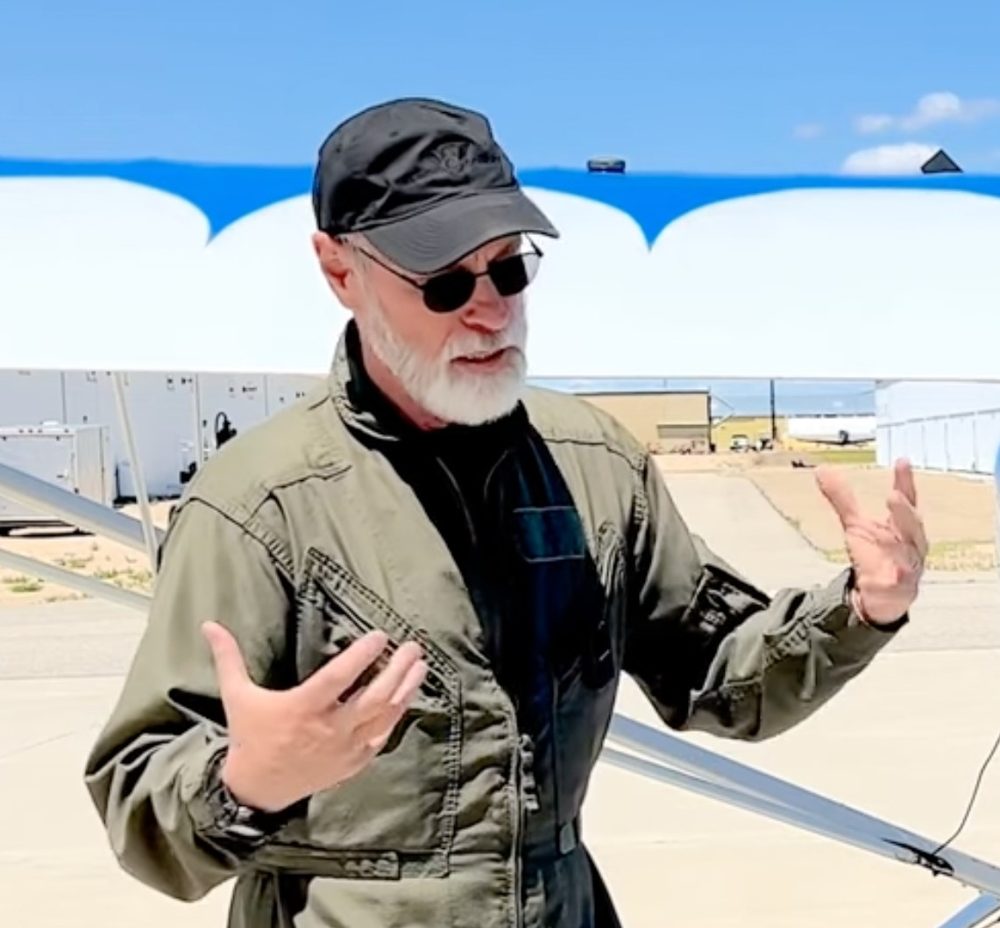
Rich Stowell

Rich Stowell

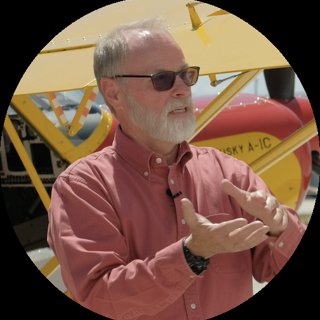
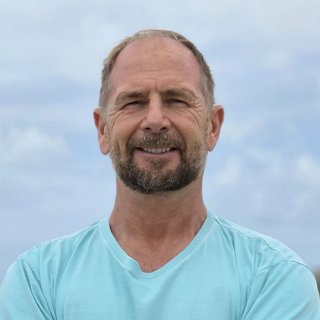
Author of the Learn-Do-Fly Training Standard and creator of the Emergency Maneuver Training program. Full-time spin, emergency maneuver and aerobatic instructor since 1987. The country's first Master CFI-Aerobatic, 2006 National Flight Instructor of the Year and 2014 National FAASTeam Representative of the Year.

35,000+spins in more than 240 types of single-engine airplanes. Clinics in 22 US states and five other countries.
“Relax. The airplane knows what to do.”

Hear Rich on stick and rudder skills for modern pilots in a podcast interview. Listen to the episode →

Learn-Do-Fly is free for everyone.

Any school, instructor or student can adopt the Learn-Do-Fly Training Standard at no cost. The Community Aviation platform adds the tools that improve retention, efficiency and personalization. The workshop lets you see both.

The Learn-Do-Fly Training Standard →

Retention

Practice between flights, so what students learn doesn't fade before the next lesson.

Efficiency

Lesson plans and progress reports drafted from real training data, so instructor time goes to teaching.

Personalization

Lessons that adapt to each student and to your airplanes, airport and syllabus.

Questions?

What if the weather doesn't cooperate?

Learn and Do always run, on the ground and in the sim, and more people can join them. Fly happens when the weather allows, the same day or a day you choose.

Do students need aerobatic or tailwheel experience?

No. The workshop uses the airplanes you already fly.

Who flies the airplane?

Your instructors fly with students under your procedures. The workshop lead briefs, observes and leads the debrief.

Can non-pilots or partners attend?

Yes. Learn and Do are open to observers. A ground-only version works for insurers, sponsors and staff. Other locations can join by screen.

What do we need on site?

A briefing room, a sim if you have one, airplanes and instructors, and a few hours of everyone's attention.

What does it cost?

It depends on the format and the number of students and flights. We share pricing on a call.

What happens to the video and data?

You get video for your own marketing and a summary of records. Consent is collected first.

Do we need the platform to keep using Learn-Do-Fly?

No. The Standard is free. Platform add-ons are optional.

Who leads the workshop?

December Virginia dates: Rich Stowell. Later dates: a certified Community Aviation instructor.

Book a one-day workshop.

Book a short call and we will come back with dates and a plan for your fleet. First dates are being set now, starting in Virginia in December.

Book a one-day workshop →